Friday, March 29, 2013

Bar Chef Challenge with Singleton


"Dufftown Butter Scotch 1896"


Infused Singlemalt
500 ml Singleton
100 grams Dried Raisin
method:
soaked the raisin into the bottle of Singleton for about a week with no air goes in and out

Butterscotch Mixture
1 cup firmly packed brown sugar
20 ml butter
10 ml vanilla
10 ml Singleton
1 1/2 cups whipping cream
2 cups half-and-half (light cream)
6 large egg yolks 
method:
1. In a 1- to 2-quart pan over medium heat, stir brown sugar and butter until butter is melted, sugar is dissolved, and mixture is bubbly, 3 to 4 minutes. Whisk in 1/2 cup whipping cream until smooth; remove butterscotch mixture from heat. Add vanilla and Singleton.
2. In a 3- to 4-quart pan over medium-high heat, combine remaining 1 cup whipping cream and the half-and-half; bring to a simmer.
3. Meanwhile, in a bowl, beat egg yolks to blend. Whisk 1/2 cup of the warm cream mixture into egg yolks, then pour egg yolk mixture into pan with cream. Stir constantly over low heat just until mixture is slightly thickened, 2 to 4 minutes. Immediately remove from heat.
4. Pour through a fine strainer into a clean bowl and whisk in butterscotch mixture. Chill until cold, stirring occasionally, about 2 hours; or cover and chill up to 1 day.

Start to freeze the mixture using Liquid Nitrogen
1. Place the Butterscotch mixture in a mixing bowl.
2. Pour a half litter of Liquid Nitrogen directly into the mixture ( better to work in a well-ventilated area )
rapidly beat the mixture using balloon whisk, do not stop folding and better wear hand-glove and take extra precaution do to instant frost bite
The result, literally 30 seconds later the best butterscotch gelato you would ever taste. The secret is in the rapid freezing. When the mixture is frozen by liquid nitrogen at -196°C, the ice crystals that give bad ice cream its grainy texture have no chance to form. Instead you get microcrystalline butterscotch gelato that is supremely smooth and creamy in texture

Friday, February 1, 2013

Burnt Orange Chocopolitan

Ingredient

KetelOne Vodka 40 ml
Creme De Cacao White 20 ml
Home-made Burnt Orange Liqueur 20 ml
Kintamani Orange Jelly 20 ml
Egg white 10 ml


Method

1. shake all the concoction with ice except egg white
2. strain to another mixing glass
3. pour the egg white and start to quickly stir with the hand mixer or bar spoon to emulsify
4. serve the cocktail into chilled martini glass


It has come to my thought that I should have create something to drink in honor of my Mom  she's my biggest inspiration ever who used to watch "Sex and the City" while having a nicely prepared Cosmopolitan and Orange Creme Brulee, so.... by all mean, I took all the idea in making cocktail base on those flavor into my new cocktail creation.... hope you guys enjoy this drinks and by the way it has won 3rd place in the Diageo Reserve World Class Challenge on KetelOne Vodka  held in Rock Bar Bali - Indonesia


Monday, June 25, 2012

Home Made Liquid Nitrogen

You can make your own homemade liquid nitrogen using readily available materials. It's not really liquid nitrogen, however, but cryogenic-temperature alcohol. The chilled alcohol can be used for many liquid nitrogen projects, such as freezing flowers or other materials. It is not suitable for ice cream or anything edible. Also, although this "poor man's liquid nitrogen" is very cold, it doesn't vaporize off your skin like true liquid nitrogen, meaning it can give you frostbite very easily. Avoid skin contact and use all the safety precautions you would use with nitrogen.

Homemade "Liquid Nitrogen" Materials

  • dry ice
  • 99% ethanol (lower percentage will work but you'll get a gelatinous cryofluid)
  • Insulated plastic container (don't use glass because extreme temperature changes may cause it to shatter)

Prepare the Homemade "Liquid Nitrogen"


   You've two ways to do this
          1. Alternatively, you can pour the alcohol directly over the dry ice. This is easier, but you won't have control over the temperature of the dry ice, so it's possible your alcohol will freeze.

Otherwise just follow below steps:


Pour the Ethanol alcohol into a plastic insulated container 


Keep dry ice into another insulated container


 Slowly add dry ice to bath the Ethanol, please do not handle with bare hands


Place shaker base to hold anything you wish to freeze


You may use electric hand blender to mix the ingredients 


CAUTION
The chilled dry ice/alcohol bath is very cold. If the chilled coolant contacts your skin it can cause almost instant frostbite. Use due care in handling the cold bath 
These method can be use in preparing any frozen cocktails and Ice cream, it's not recommended to drink anything mix with the coolant liquid !!!

Cheers,

D'Agisna Ramdhani
Fluid Factory

Wednesday, April 11, 2012

"shaken, not stirred" was it Dry Martini or Martini Dry?

Cutting Edge Martini


The exact origin of the martini is unclear. Numerous cocktails with names and ingredients similar to the modern-day martini were first seen in bartending guides of the late 19th century.One popular theory suggests it evolved from a cocktail called the Martinez served at the Occidental Hotel in San Francisco sometime in the early 1860s, which people frequented before taking an evening ferry to the nearby town of Martinez. Alternatively, the people of Martinez say the drink was first created by a bartender in their town. Another theory links the first dry martini to the name of a bartender who concocted the drink at the Knickerbocker Hotel in New York City in 1911 or 1912.
but one thing for certain, do not confused the bartender with Dry Martini and Martini Dry you've ordered, both are aperitif but the one  called "Dry Martini" definitely is a cocktail


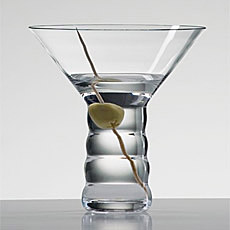
which you poured all ingredients into a mixing glass with ice cubes, stirring it gently until the ingredients are mixed then strained and served "straight up" (without ice) in a chilled cocktail glass and garnished with either a green olive or a twist of lemon (a strip of the peel, usually squeezed or twisted to express volatile oils onto the surface of the drink) .
Although there are many variations, in modern practice the standard martini is a mix of gin coupled with dry vermouth usually in a five-to-one ratio. Shaker mixing is common due to influences of popular culture, notably the fictional spy James Bond, who in movies always asked for his vodka martini to be "shaken, not stirred". However, stirring has a long history. Harry Craddock's prescribes stirring for all its martini recipes. 


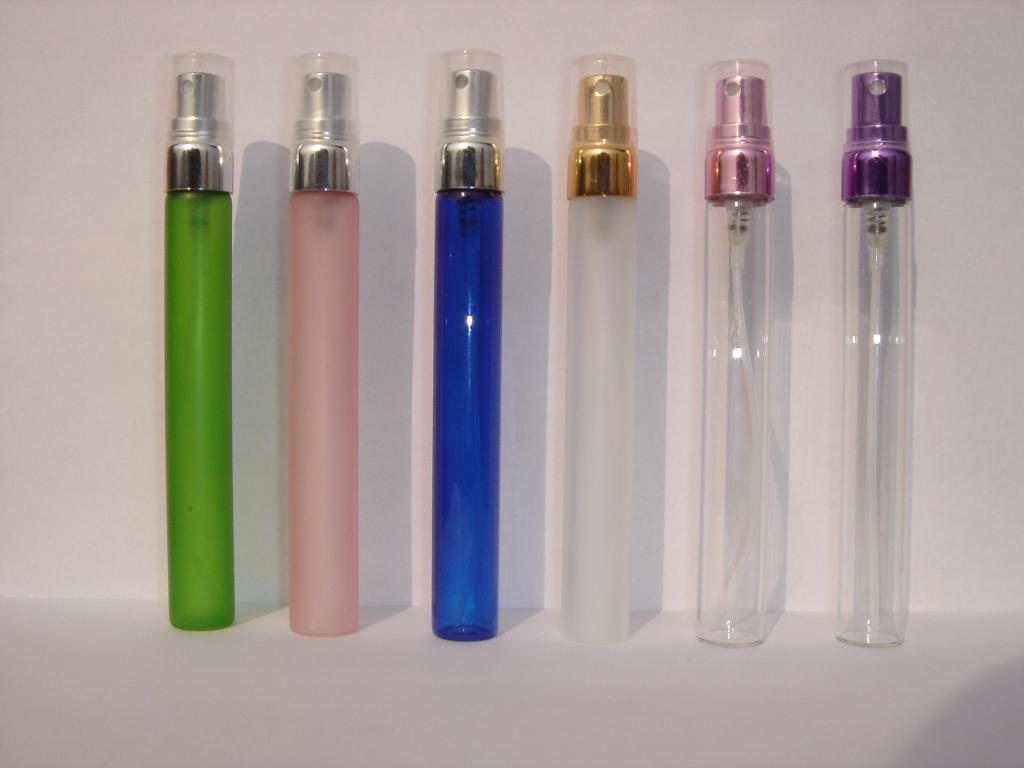
But now we can even push the way of making Martini's to the limit, otherwise cutting edge style, not to worry if its stirred nor shaken, what you could do is to prepare your Martini with a new way to where its never been seen in any place you've visit & the truth is by only placing Vermouth into sprayer gun (parfume's alike tube) and spray it into the glass so that the vermouth flavor coat the inner glass evently and of course it should be done before you chill the glass with full of ice, rather than you poured the vermouth in the first place into the mixing glass with full of ice and than you strain it out just enough to coat the ice cubes and then again you pour the Gin into vermouth coated ice cubes, its too complicated and time consuming, so why don't start practice this brilliant idea at your own, its looks more fancy though and you know since the beginning I'd love to see something different and more buzz going on behind the counter, is that makes sense to you?

However in the mid-1990s saw a resurgence in the drink and an explosion of new versions.
Some newer drinks include the word "martini" or the suffix "-tini" in the name (e.g., appletini, peach martini, chocolate martini, espresso martini); however, these are simply named after the cocktail glass they share with the martini and do not share any ingredients in common other than vodka (in most cases), and therefore should not be considered variants of the martini.

More to come next time.......
Cheers,
D' Agisna R

Monday, February 27, 2012

Molecular Mojito


Cuba is the birthplace of the Mojito, although the exact origin of this classic cocktail is the subject of debate.One story traces the Mojito to a similar 19th century drink known as "El Draque", after Francis Drake. It was made initially with tafia/aguardiente, a primitive predecessor of rum, but rum was used as soon as it became widely available to the British (ca. 1650). Mint, lime and sugar were also helpful in hiding the harsh taste of this spirit. While this drink was not called a Mojito at this time, it was still the original combination of these ingredients.
Some historians contend that African slaves who worked in the Cuban sugar cane fields during the 19th century were instrumental in the cocktail's origin. Guarapo, the sugar cane juice often used in Mojitos, was a popular drink amongst the slaves who helped coin the name of the sweet nectar.
but let us now think more advance rather to debate for its originality, a solution came up when Bacardi has teamed up with molecular mixologist Eben Freeman to put an avant-garde twist on the Bacardi Superior Mojito.

His modern take on the classic drink developed by the pioneers of mixology in 1800s is a bold move, following in the footsteps of famed molecular gastronomists Ferran Adria and Heston Blumenthal, whose scientifically innovative culinary creations have been celebrated the world over.
Pureed mint leaves and limejuice are laced with gelatin and frozen in liquid nitrogen to form pearls. These are then added to diluted and sweetened Bacardi rum thickened with Xanthum, to create a unique drink in which the lime and mint pearls appear suspended in the liquid.
The special cocktail is only available a handful of exclusive bars in London, New York, Paris, Melbourne and Chicago but you may also now start practicing at your own bar with the method I wrote at early article, do some stuff different than other will you.... cheers

Saturday, January 21, 2012

Home Made Bitter


I found this bitters recipe in The Joy of Mixology, by Gary Regan, heaps of information's though, you may decide to where you see your self would be if you  wish to take your cocktails knowledge to another level of bartending creativity, so here it goes;

Orange Bitters Recipe No. 5


Allow four weeks to prepare this bitters recipe.
    The Bitter Truth Celery Bitters
  • 8oz Dried Orange Peel, Chopped Very Fine
  • 1 Teaspoon Cardamom Seeds (taken out of their pods)
  • 1/2 Teaspoon Caraway Seeds
  • 1 Teaspoon Coriander Seeds
  • 1 Teaspoon Quassia Chips
  • 1/2 Teaspoon Powdered Cinchona Bark 
  • 1/4 Teaspoon Gentian
  • 2 Cups Grain Alcohol 
  • 4 1/2 Cups Water, Divided Into 1/2 Cup, 3 1/2 Cups, and 1/2 Cup
  • 1 Cup Granulated Sugar
Place the peel, cardamom seeds, caraway seeds, coriander seeds, quassia, cinchona bark, gentian, grain alcohol, and 1/2 cup water into a half-gallon mason jar and push the ingredients down so that they are covered by the alcohol and water. Seal the jar.
Shake the jar vigorously once a day for fourteen days.
Strain the alcohol from the dry ingredients through a cheesecloth. Gather the ends of the cheesecloth to form a pouch and squeeze tightly to extract as much alcohol as possible. Place the dry ingredients in a strong bowl or mortar; reserve the alcohol in a clean mason jar and seal tightly.
Muddle the dry ingredients with a pestle or strong spoon until the seeds are broken.
Place the dry ingredients in a nonreactive saucepan and cover with 3 1/2 cups of water. Bring to a boil over a medium-high heat, cover, turn the heat down, and simmer for 10 minutes. Allow to cool, still covered (about 1 hour).
Return the dry ingredients and water to the original mason jar that contained the alcohol, seal, and leave for seven days, shaking vigorously once a day.
Strain the water from the dry ingredients through a cheesecloth. Discard the dry ingredients and add the water to the alcohol.
Put sugar in a small nonstick saucepan and place over a medium-high heat. Stir constantly until the sugar becomes liquid and turns dark brown. Remove from heat and allow to cool for two minutes.
Pour the sugar into the alcohol-and-water mixture. At this point the sugar may solidify, but it will quickly dissolve.
Allow the mixture to stand for seven days. Skim off any bits that float to the surface and carefully decant the clear liquid to separate it from any sediment resting on the bottom.
Measure the bitters; thee should be about 12 fluid ounces. Add 6 ounces of water, and shake thoroughly. Pour the bitters into a bitters bottle and now you can store it for up to twelve months.


Dadan Ramdhani
By D'agisna Ramdhani

Barlordz

Monday, January 16, 2012

2012 Cocktail Trend Predictions


What will be hot this year?
As the New Year begins, lists start to pop up all over the web, filling us in on the hot trends of the year past and those to emerge in the year to come.
Many of these tend to focus on fashion and food, with the two becoming ever more interchangeable as foodie dining becomes more and more "in fashion" itself. With that growth in novelty eating, the popularity of unique cocktails and liquors is growing as well.
As we enter 2012, this interest in more peculiar and novel liquors will continue to grow, bringing along with it plenty of new cocktail trends. Of the possibilities, we've put together a list of those which we feel are sure to catch on in 2012.

Herbal infusions
While we’re on the subject of the health implications of drinking (and just to return to the first point, I’m sure we’re all in agreement that responsible, moderate drinking can be part of a healthy lifestyle), I think we’ll see more herbally infused beverages and cocktails in 2011. Not only are these complex flavors appealing and still in their novelty stage but they can be used to create drinks that are less sweet than fruit-based cocktails and may pack in potent curative powers.


Better bitters
The Angostura panic of 2009-10 launched a slew of new bitters. Couple this with the resurgence of herbal infusions and you have the perfect storm for better bitters. The selection of new and inventive bitters, most creatively playing sweet against savory, is not only arming mixologists the world over, but it’s allowing home bartenders to make cocktails that once were the provenance of the pros. As shown in our Booze and Weight Loss article, bitters are a great way to add a bit of flavor to a cocktail without overloading on calories. For both this and their more interesting use in unique drink recipes, bitters-based cocktails will gain popularity through 2012.

Aged Tequilas
2011 was the year of aged whiskeys and rums, and we see aged tequila following suit. With the popularity of barrel aging increasing across the board, these aged, more flavorful tequilas are sure to make their mark on the market during 2012.

Adult cocktails
While we’re at it, I think we’ll see more pre-mixed cocktails that riff on nostalgia-based drinks. I’m thinking Yoo-hoo with alcohol, punches made for adults (look for goji and acai super fruit flavors, so we can feel good about drinking them), and “healthy” cocktails sweetened with alternative sweeteners such as agave syrup, cane sugar and stevia.


Herb and spiced Martini
A simple, classic martini for any occasion. If you order a martini, without any other instructions, this is what you should get. You can turn this into a dirty martini by adding a splash of olive brine.
If you are looking for a vodka martini, we have that too, but shhhh, don't tell the old school martini drinkers. They refuse to call a drink made with anything but gin a martini!
It has been invented around 2007, when some mixologist was trying to twist the classic to sophisticated drink. Combination local product and botanical would be the best choice to mix by hand of Mixology.